PROJECT/HOMEWORK DEMOS
Most of the projects here are AR/VR related exercises I designed for students to work on during Hands-on sessions in the VR/AR class for which I worked as a graduate teaching assistant during my time at Texas A&M. These exercises were mostly designed for 1 hour sessions and hence, were kept simple, straightforward and focused on the mechanics.
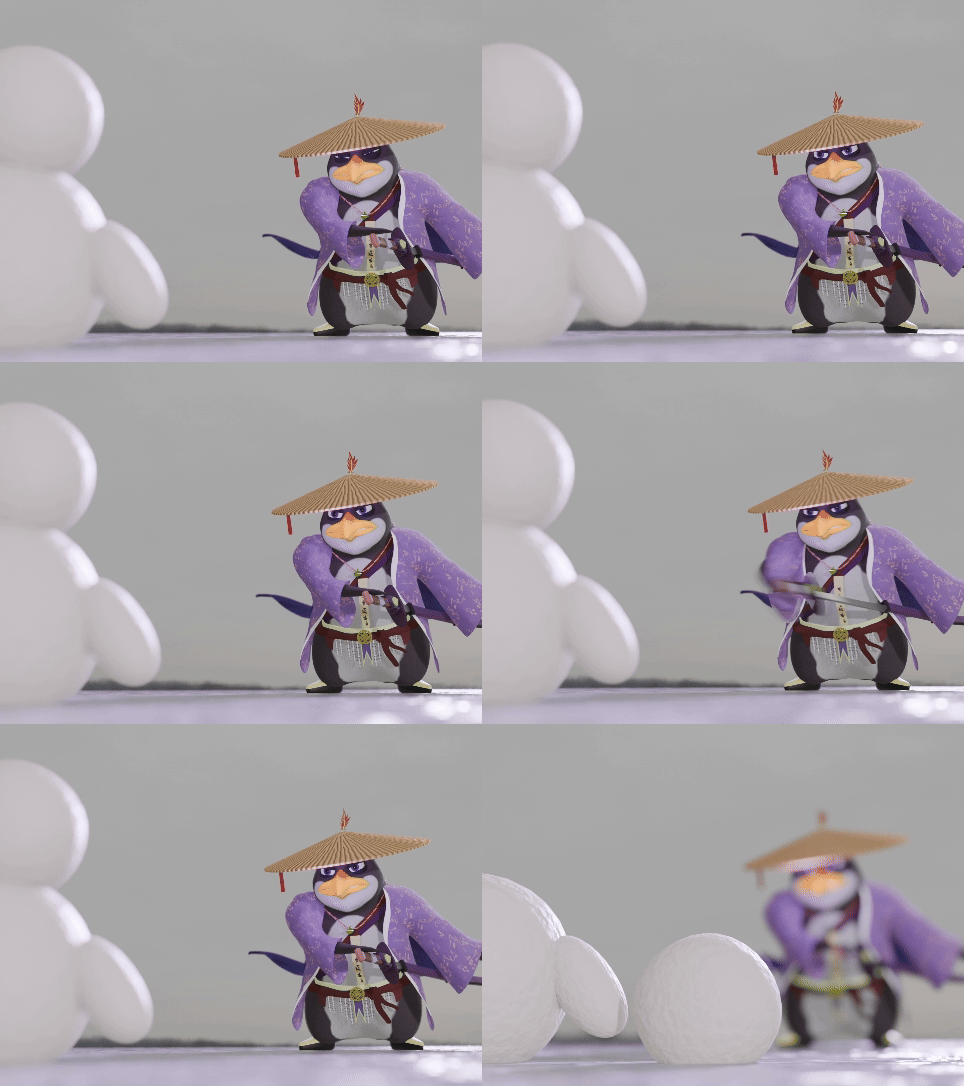
In this Image Target Exercise, the students explored how to create image targets from real-life cards/images and use them to track virtual objects to create a mini-game.
This was a 3D model target exercise with Vuforia library and Unity. Students used photo scanning applications to create a 3D scan of an object they want to track in AR. Using Vuforia's Model Target Generator, a model target was created which could be tracked when the AR application in running and could be used to track and display virtual content.
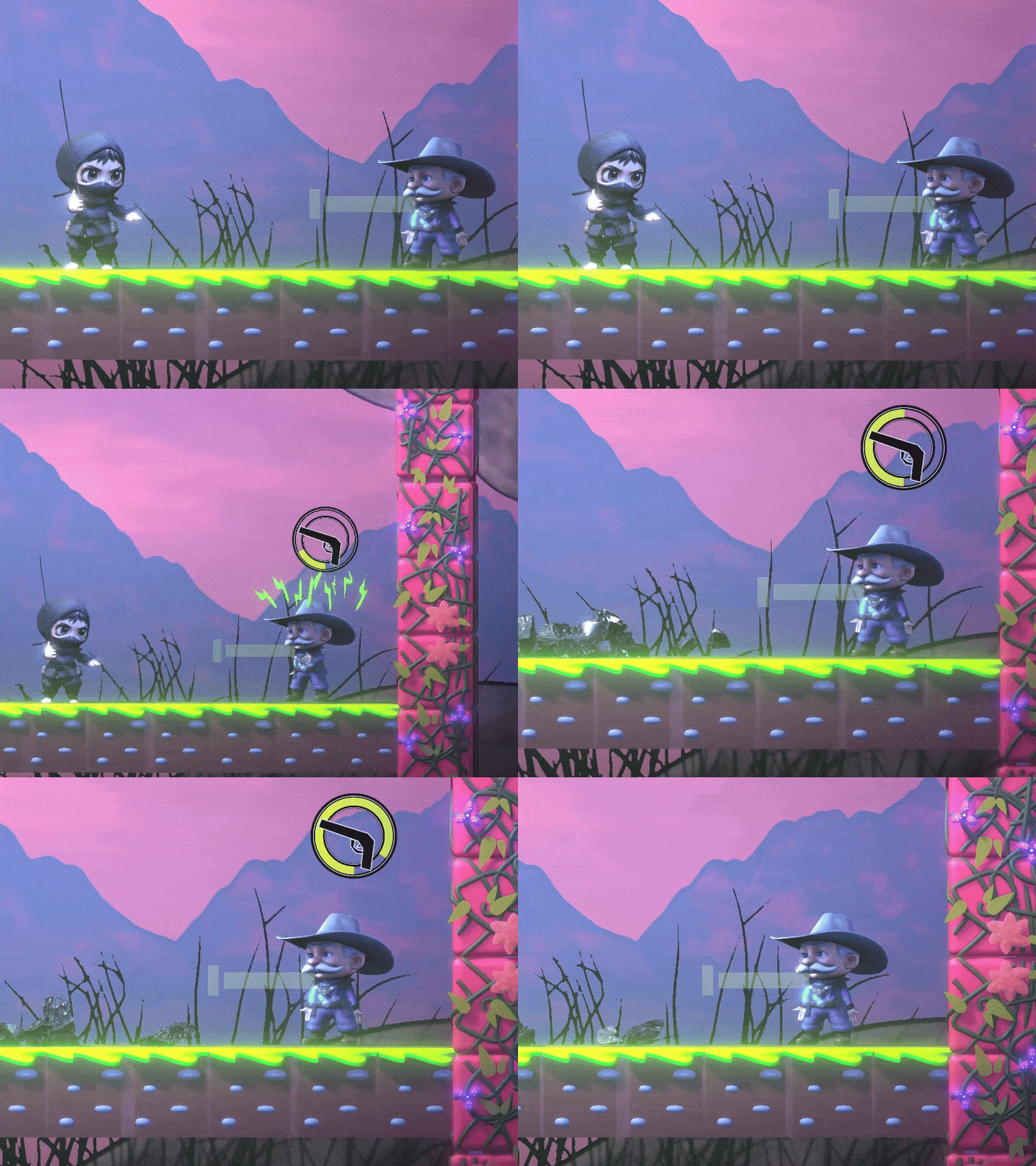
Multiple VR Mini-game exercises designed for students to learn and incorporate various mechanics into their semester-long projects. This includes a simple VR shooting mini-game, Teleportation movement demo and an infinite mirror maze within VR.
In this exercise, the students were introduced to how to implement passthrough for VR applications. Passthrough mechanics allow for the developers to make use of the cameras of the VR headset to capture the real-life surrounding footage and use that in their VR games for interesting effects/narrative. In a brief tutorial, I covered how different types of passthrough can be achieved by using Meta XR Core SDK in Unity.
SPARK AR PROJECTS
Before delving into Unity for AR, I came across Spark AR, which was a tool from Meta for creating AR Experiences and Filters mainly targeted for their social media platforms like Instagram and Facebook. However, Spark AR has been taken down as of now, but here are some of my experiments with this software and its node-based development system: